A toothed pair earns its place by the job it needs to do. Standard thinning, texturising and chunking labels lead to different constructions, and two tools with 40 teeth can still ask different buying questions. Start with the intended role, then compare the exact model and hand.
These ten catalogue examples cover distinct toothed tools and option families. They are not a league table of hair removal, and we have not performed a cutting test. The comparison keeps the maker-described role, tooth configuration and selected option visible. Your training and the exact tool instructions belong alongside that buying decision.
Start with the job your next pair needs to do
- Compare standard-thinning constructions: Joewell E 30 supplies a classic bevel-edge build; Mina Umi supplies an offset convex build with separate hand choices.
- Investigate texturising: compare Ichiro 16T with Juntetsu Kenshi. Their tooth counts and lengths differ; neither count alone predicts removal.
- Need a compact chunker: Kai Wasabi 7 Teeth is the fixed 5.5-inch classic-handle example.
- Need a left-handed thinner: compare the LEFT Mina Umi selection with the standalone Ichiro Rose Lefty thinner, both at a nominal 6.0 inches.
Ten toothed options at a glance
Use this table to find the construction you want to investigate. A number in the tooth column identifies a recorded option; it is not a percentage or a prediction for every head of hair.
| Model | Recorded option | Buying distinction |
|---|---|---|
| Joewell E 30 Read comparison | 5.6 inches; 30 teeth; right |
Classic; bevel; standard thinning |
| Jaguar Satin Double SidedRead comparison | 5.0/28 or 6.0/30; right |
Two toothed blades |
| Mina UmiRead comparison | 6.0 inches; 30 teeth; left or right |
Choose exact hand; standard pattern |
| Kasho Design Master 30 ToothRead comparison | 6.0 inches; 30 teeth; right |
Offset; semi-convex; standard pattern |
| Kasho Design Master 38 ToothRead comparison | 6.0 inches; 38 teeth; right |
Named blending pattern |
| Yasaka YSRead comparison | 6.0 inches; 12/16/20/30/40; right |
Role changes with tooth option |
| Ichiro 16TRead comparison | 6.0 inches; 16 teeth; right |
Dedicated texturiser |
| Juntetsu KenshiRead comparison | 6.5 inches; 40 teeth; right |
Texturising pattern |
| Kai Wasabi 7 TeethRead comparison | 5.5 inches; 7 teeth; right |
Compact classic-handle chunker |
| Ichiro Rose Lefty thinnerRead comparison | 6.0 inches; 30 teeth; left |
Standalone left-handed thinner |
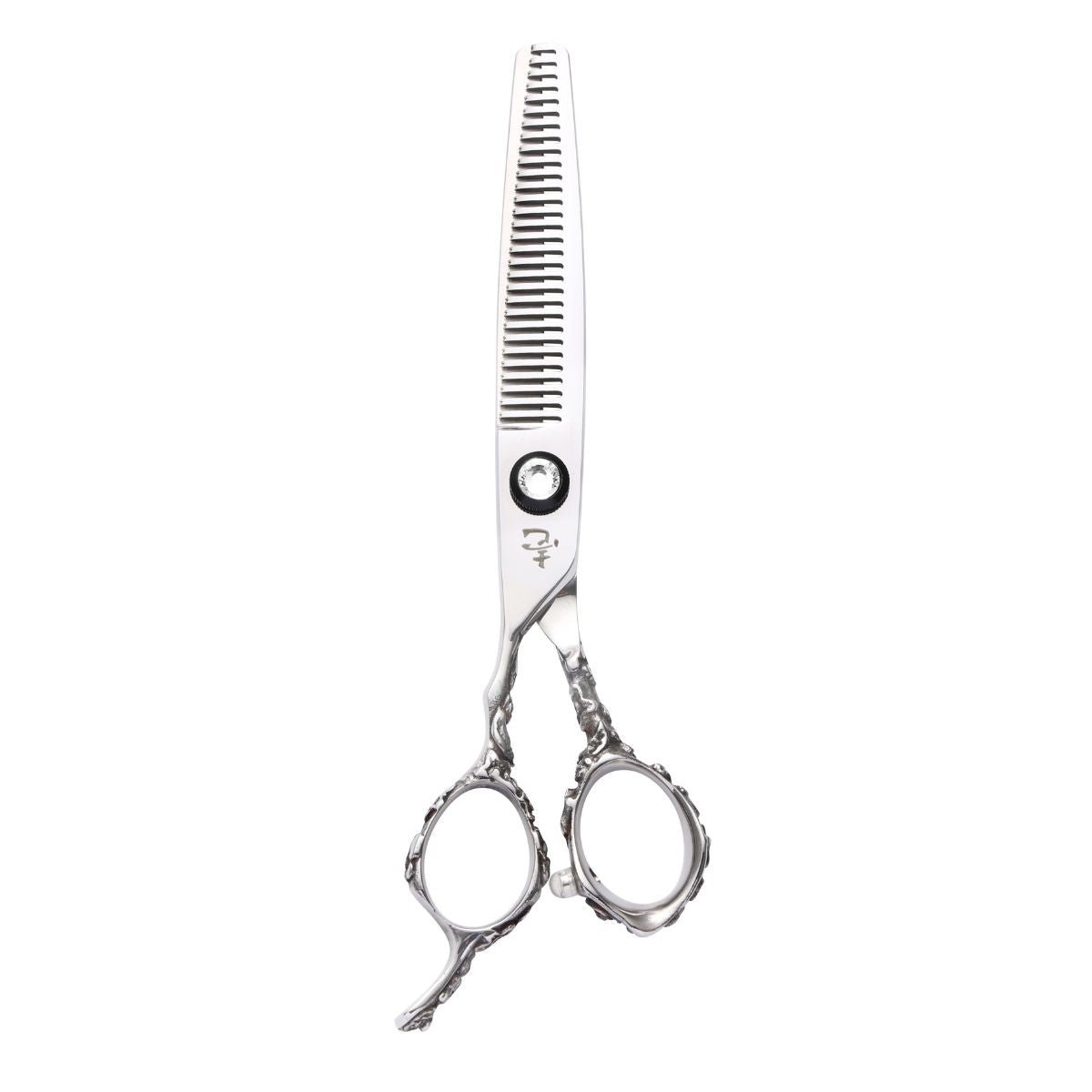
Catalogue photos show the model family. Check the selected size, cutting hand and set contents on the product page. Where variants share a photo, the caption explains the limit.
1. Joewell E 30: a classic-handle standard thinner
Joewell E 30 is a fixed 5.6-inch right-handed thinner with 30 teeth, a classic handle and bevel edge. It gives this shortlist a specific standard-thinning construction to compare with the offset and double-sided examples.
A clear starting candidate for a right-handed classic-handle standard thinner. A left-handed brief needs the separate documented left choices, rather than a 30-tooth filter alone.

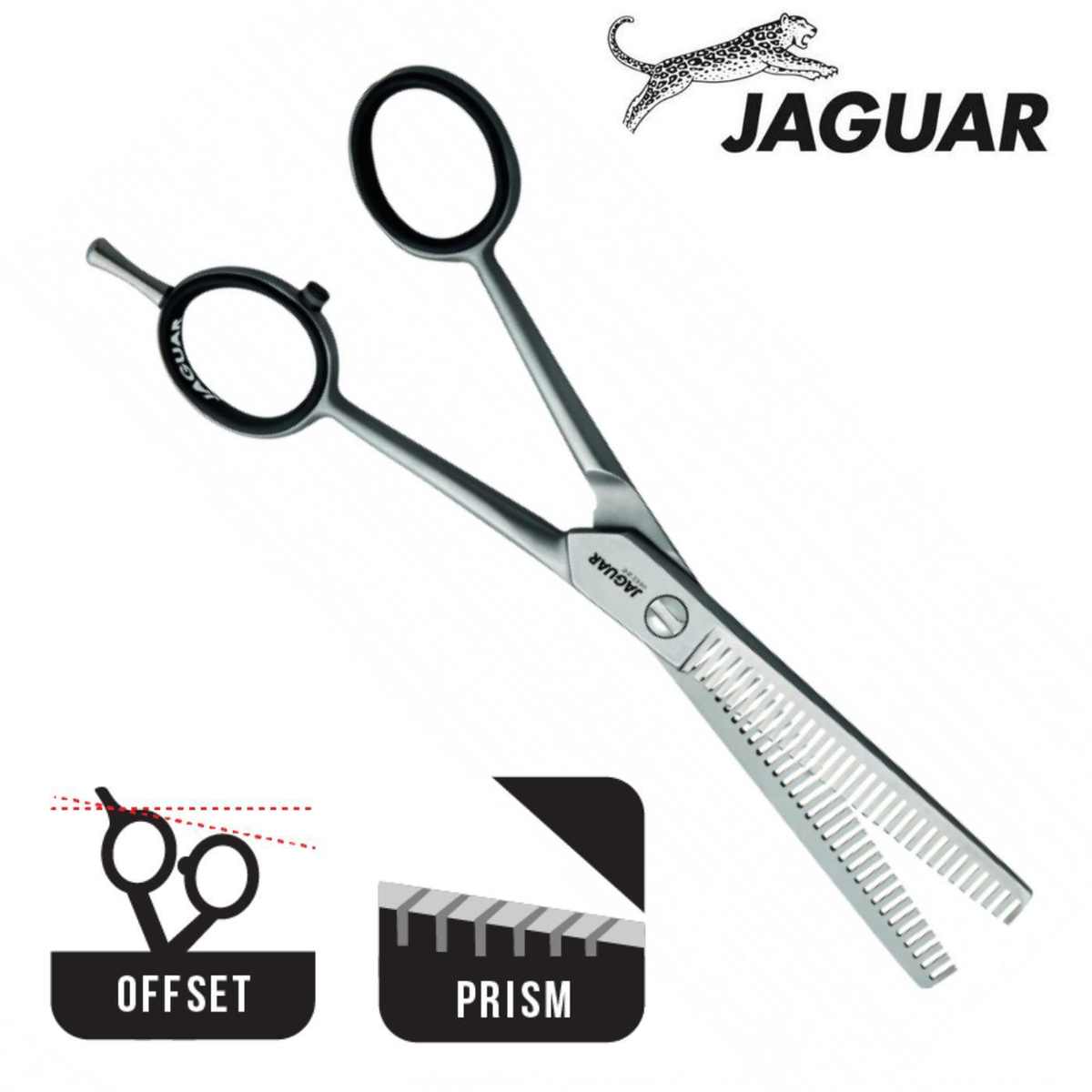
2. Jaguar Satin Double Sided: read both toothed blades
Jaguar Satin Double Sided has right-handed 5.0-inch/28 and 6.0-inch/30 recorded options, with classic handles and micro-serrated edges. Its double-sided construction is the useful difference: both blades have teeth.
Keep the exact size and recorded count together, and do not compare the number with a single-sided tool without reading the counting convention. The single- and double-sided guide explains that distinction. This is the Satin thinner; the separately named Satin cutter has a different role. Similar finishes and family names do not turn the two into one specification.
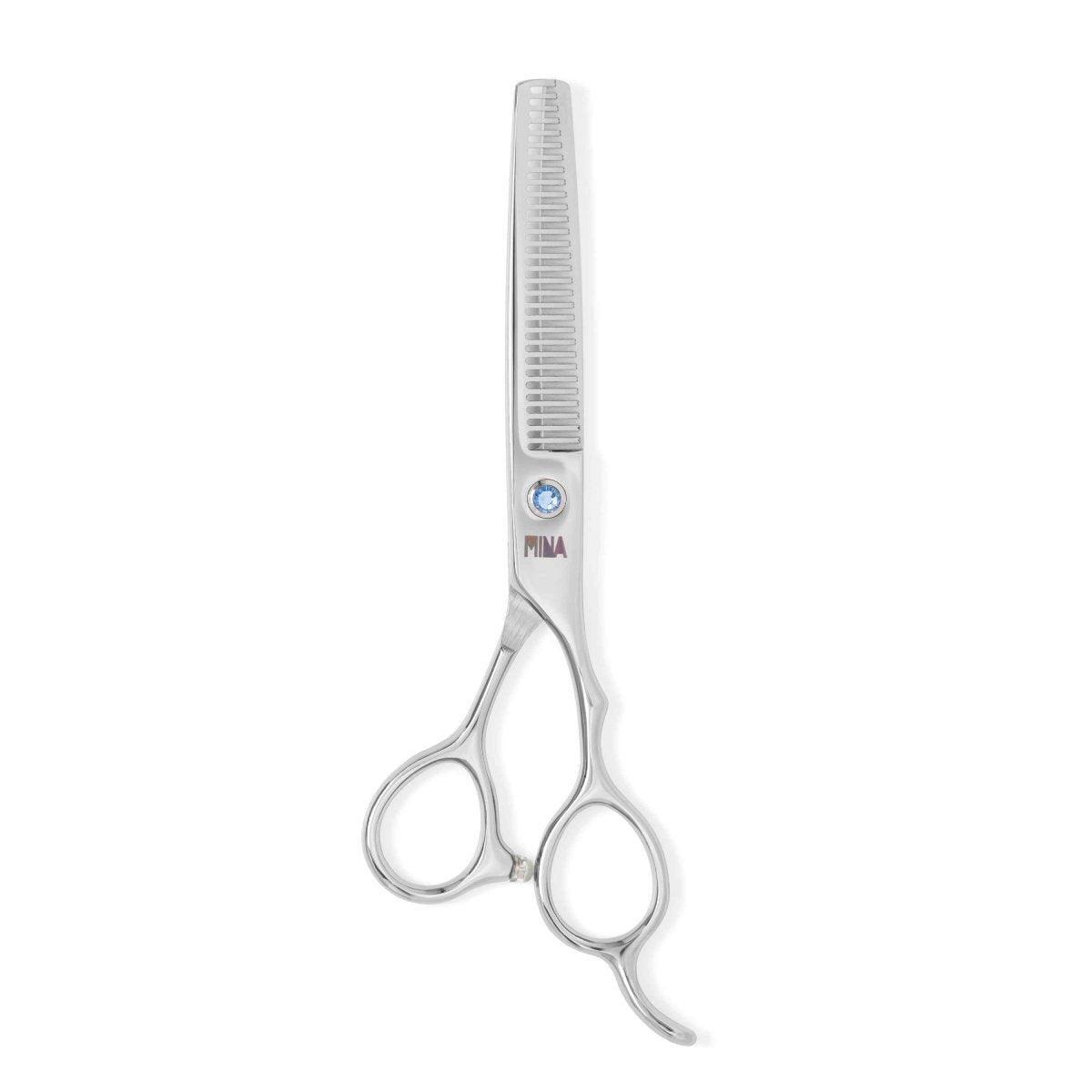
3. Mina Umi: choose the hand while the size stays fixed
Mina Umi offers separate left- and right-handed 6.0-inch builds. Each has 30 V-groove teeth in a standard thinning pattern, with an offset handle and convex edge. That makes it useful when exact hand selection needs to stay visible.
Choose the actual left or right build before comparing patterns. Both nominally six-inch Umi tools have 30 V-groove teeth; another 30-tooth model can still have a different handle and edge.
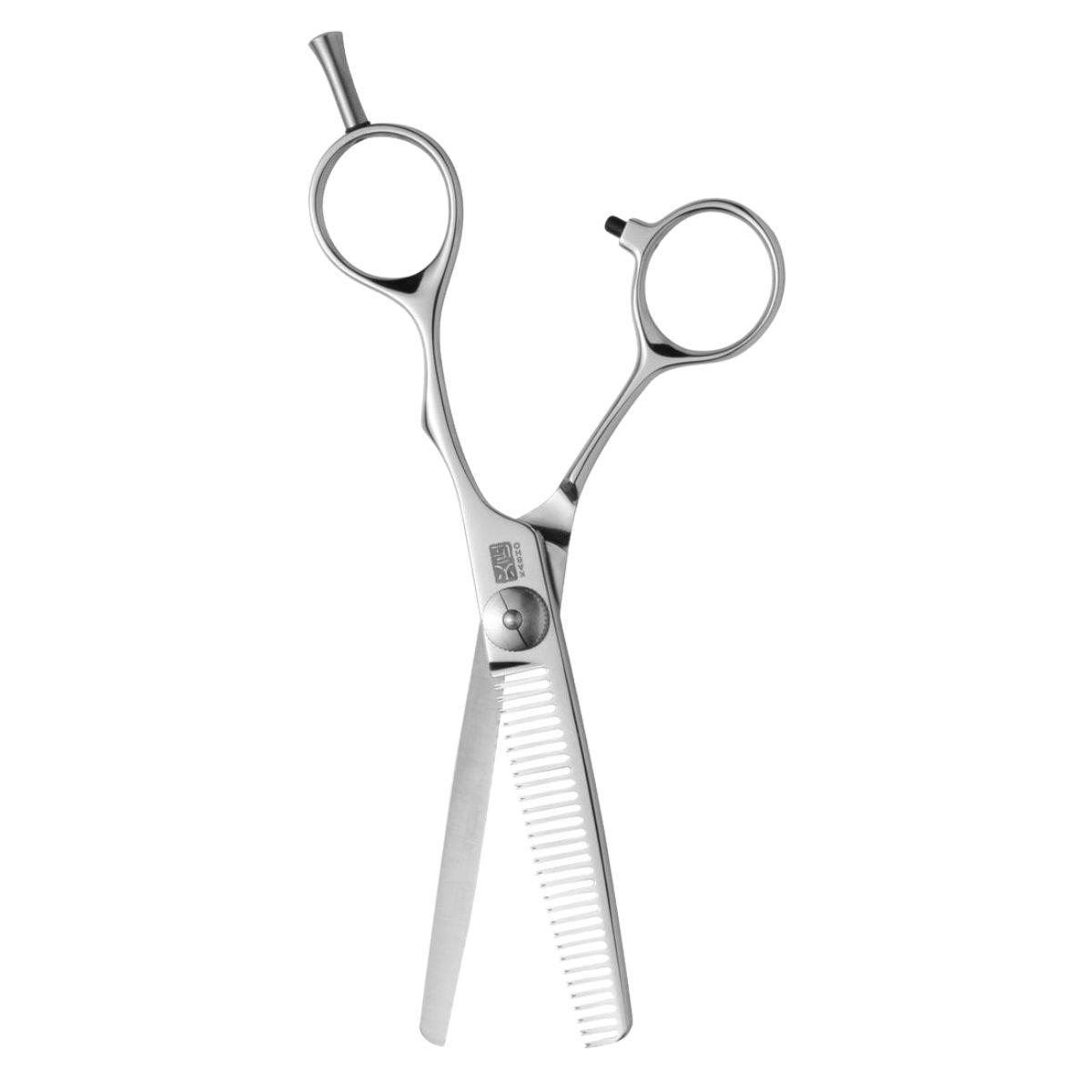
4. Kasho Design Master 30 Tooth: keep the complete model name
Kasho Design Master 30 Tooth is a fixed 6.0-inch right-handed thinner with an offset handle, semi-convex edge, standard thinning pattern and ratchet screw. Those specific fields earn it a place alongside the classic E 30 and convex Umi.
Keep the 30 Tooth and 38 Tooth products separate. This thinner’s omitted material field is not filled from a cutter or broader series description.
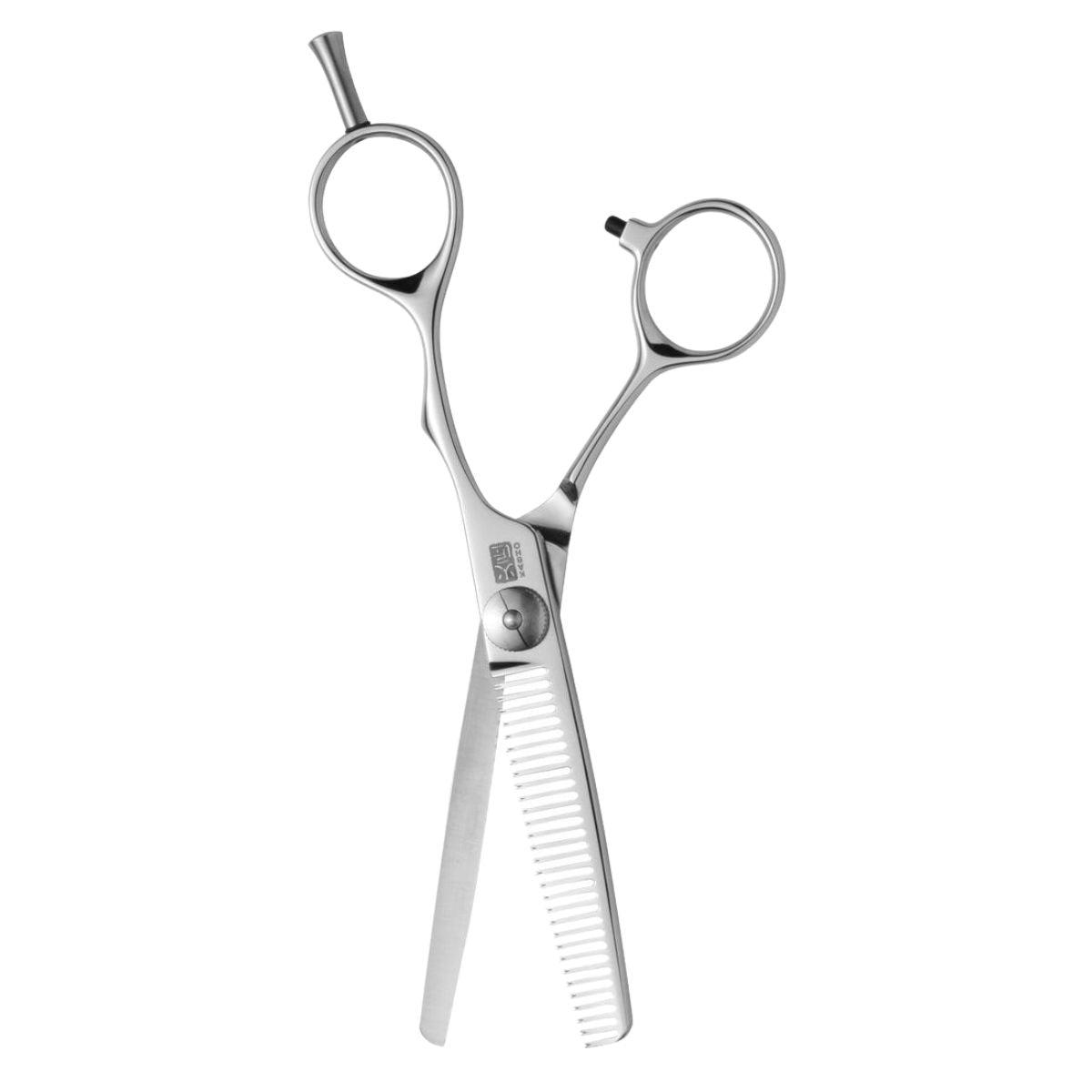
5. Kasho Design Master 38 Tooth: compare the stated pattern
Kasho Design Master 38 Tooth keeps the nominal size at 6.0 inches and pairs a right-handed offset build with a semi-convex edge and ratchet screw. Its recorded role is a blending pattern, giving you a clear point to discuss beside the separate 30-tooth model.
Compare the named blending pattern with the 30-tooth standard pattern. More teeth is not a universal removal or finish scale; retain the exact product identity and intended trained task.
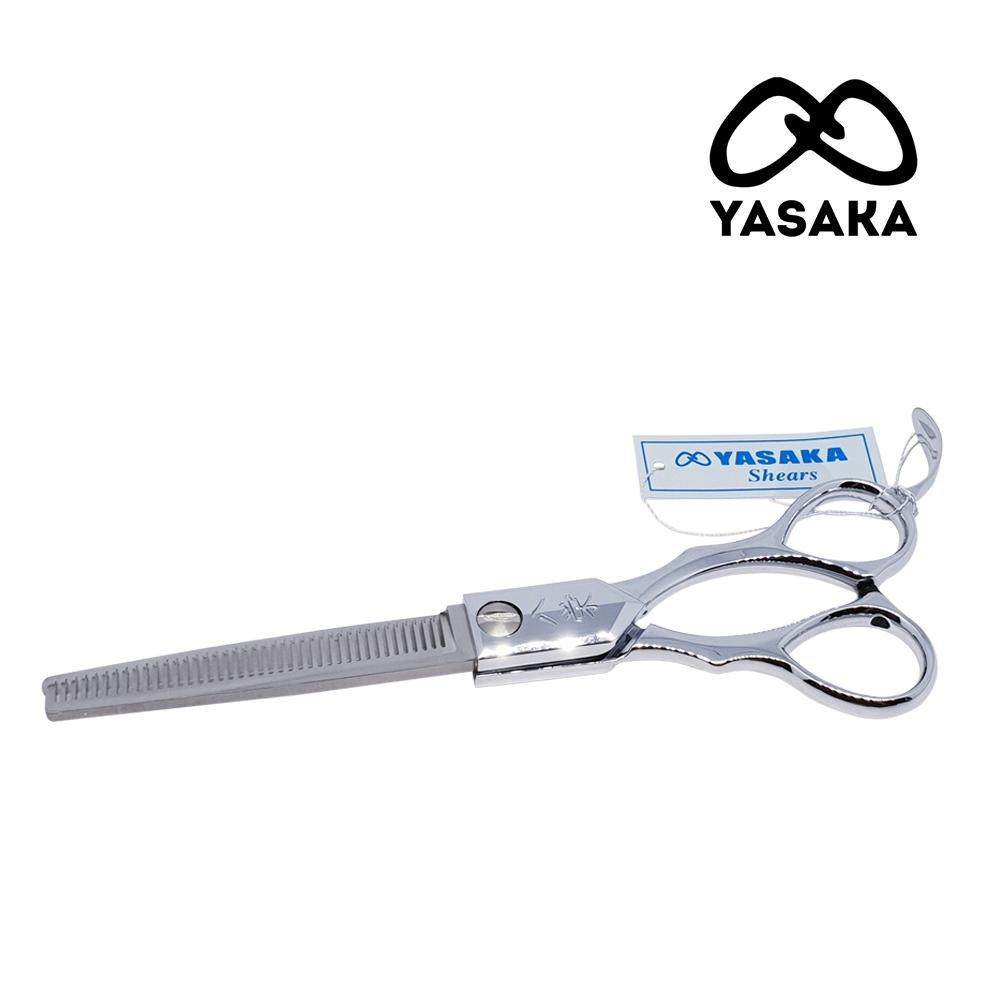
6. Yasaka YS: five options, several roles
Yasaka YS Thinning and Texturising offers 12, 16, 20, 30 or 40 teeth within a right-handed 6.0-inch offset format with convex edges. In the recorded range, 12 and 16 are chunking options, 20 and 30 texturising options, and 40 the standard-thinning option.
Select for the role: YS 40 is the standard-thinning option; 20/30 are recorded texturising choices and 12/16 chunking choices. A shared six-inch handle does not make the toothed configurations identical.
7. Ichiro 16T: a dedicated texture option
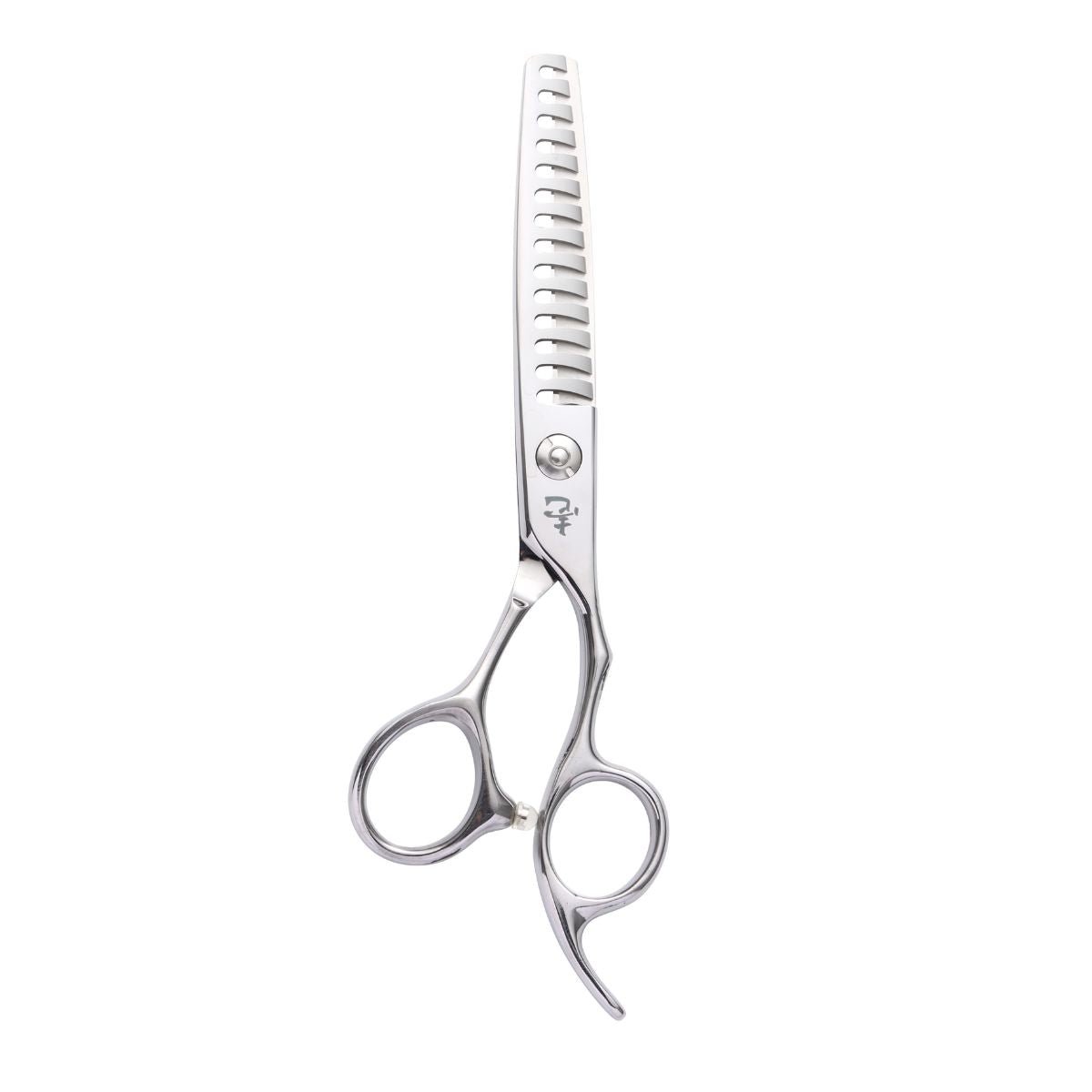
Ichiro 16T Texturising is a fixed 6.0-inch right-handed tool with 16 V-groove teeth, an offset handle and convex edge. It belongs here as a standalone texture construction, separate from the finer-tooth standard thinners.
A focused standalone texturiser comparison. Its 16T identity does not establish the tooth count of the separate texturiser supplied in the Ichiro four-piece set.
8. Juntetsu Kenshi: 40 teeth in a texturising pattern
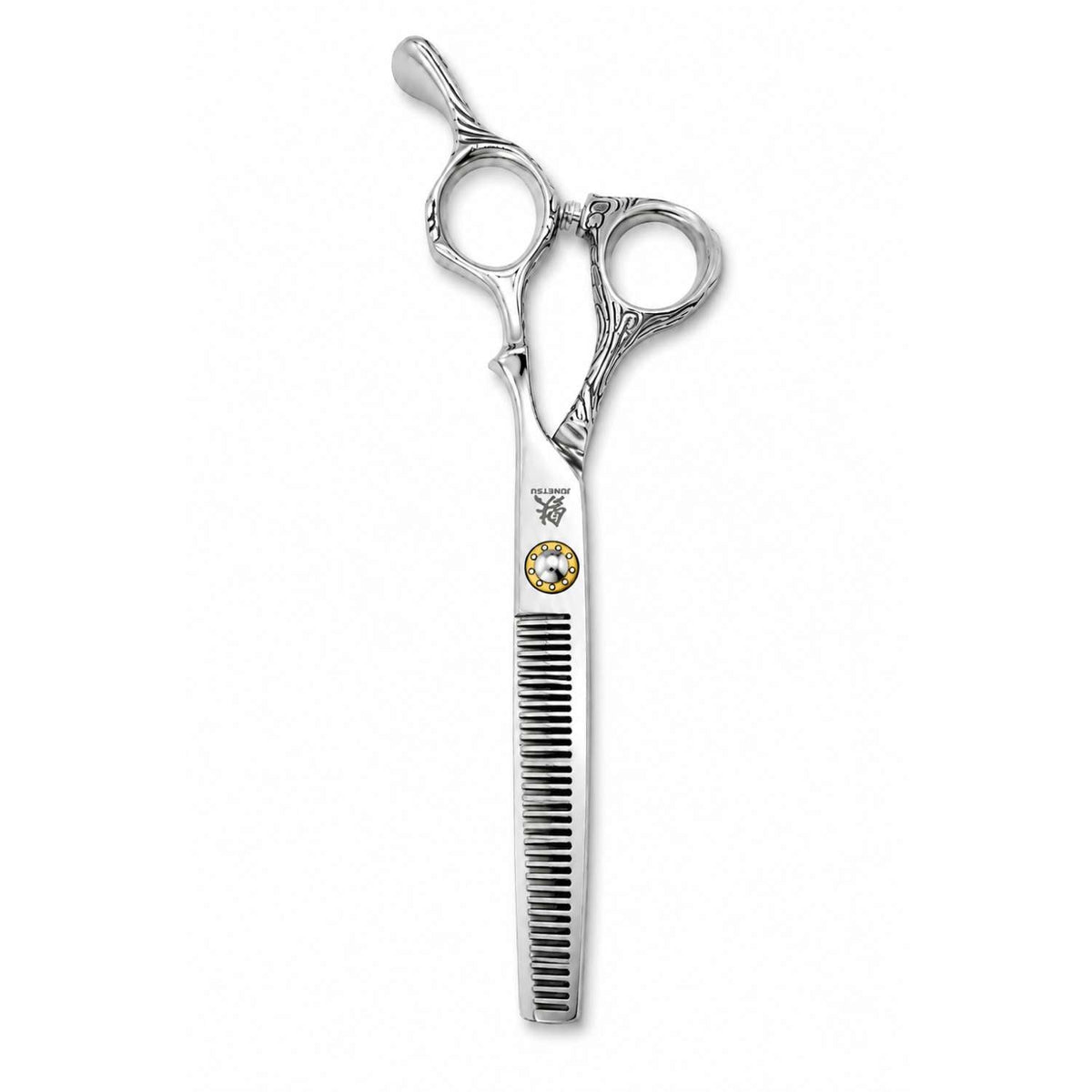
Juntetsu Kenshi is a fixed 6.5-inch right-handed texturiser with 40 teeth, an offset handle, convex edge and ball-bearing pivot. It is a useful counterexample to choosing the role by tooth count alone.
Yasaka’s 40-tooth YS option is recorded as standard thinning; this Kenshi is recorded as texturising. Both numbers are useful, but the model and pattern give them meaning. The nominal 6.5-inch format is another difference to keep in view. If your current toothed pair is 6.0 inches, ask what the longer complete tool would change in the positions you actually use.
9. Kai Wasabi 7 Teeth: a compact chunking construction
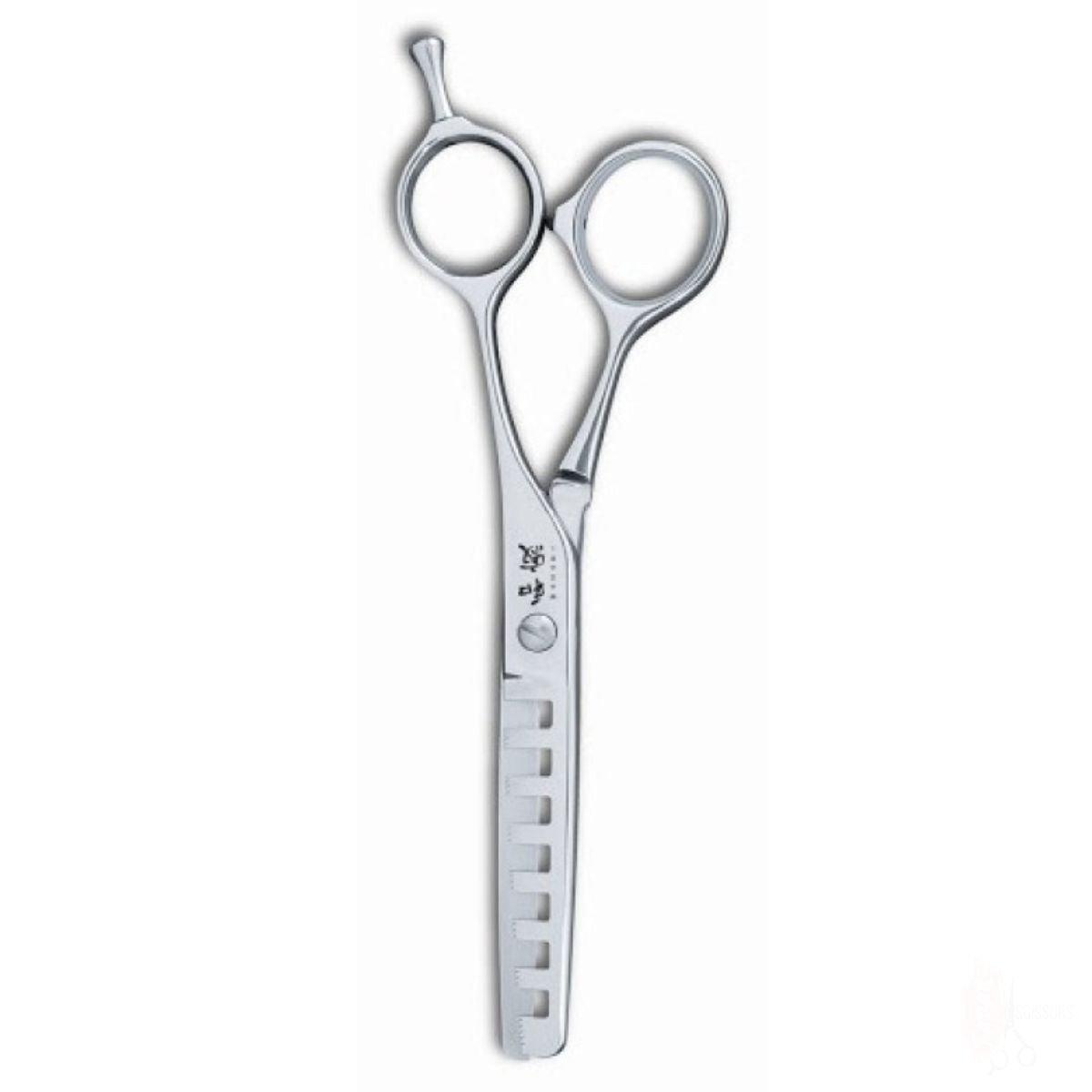
Kai Wasabi 7 Teeth Chunker uses a fixed 5.5-inch right-handed build, seven teeth, classic handle and semi-convex edge. The chunking format and compact nominal length make it a distinct construction in this group.
Compare it as a chunker, despite Thinning appearing in the retail title. The seven-tooth figure does not provide a removal percentage or a guarantee of easier handling.
10. Ichiro Rose Lefty thinner: add the missing left-handed role
Ichiro Rose Lefty thinning scissors are a fixed 6.0-inch left-handed pair with 30 V-groove teeth, offset handles and a convex edge. This is the standalone thinner, so you can investigate the missing toothed role without automatically buying another cutter.
Keep the Lefty designation in the order check. A Rose Lefty set is a different purchase with its own component evidence, and the standalone thinner’s 30 teeth should not be copied into an unlisted set field. If you already like your left-handed cutter, compare the additional role and complete cost of this single tool with the bundle route.
Use the pattern to ask a better question
Begin with three fields: hand, intended role and exact model. Then add nominal length, tooth configuration, handle and confirmed edge. Joewell’s thinning reference explains that tooth count and comb-blade shape both affect cut ratio. A count alone is not enough to calculate the result for another model.
Our tooth-count and cut-rate guide keeps those numbers separate. The role comparison helps distinguish naming, while the listing guide keeps the chosen option attached to its actual fields.
- Name the tool role you are trained to use and why another pair is needed.
- Choose the correct hand before comparing tooth numbers.
- Confirm how the count is expressed on the exact model, especially with two toothed blades.
- Ask for an exact maker ratio only if one is published; keep its stated context.
- Compare current prices and complete offers for the specific tools left on your shortlist.
Browse the thinning collection or texturising collection once the role is clear. If a listing leaves a decisive detail unresolved, send the full model and option. That is a useful next step; guessing a removal rate from a photograph is not part of this comparison.